October 24th was a travel day, our taxi picked us up at 6:00 AM so we could get to the Ferry dock in time to catch the 7:00 AM Ferry to Baltra then the bus to the airport (which by the way was not open when we got there, well, it was open so we could get in and stand in line but the workers were not in place. You see many of them took the same Ferry ride over as we did.) But nothing really exciting to tell about traveling today so I will use this post to share a few more photos of Galápagos’ iguanas and crabs and tell you about a great book.
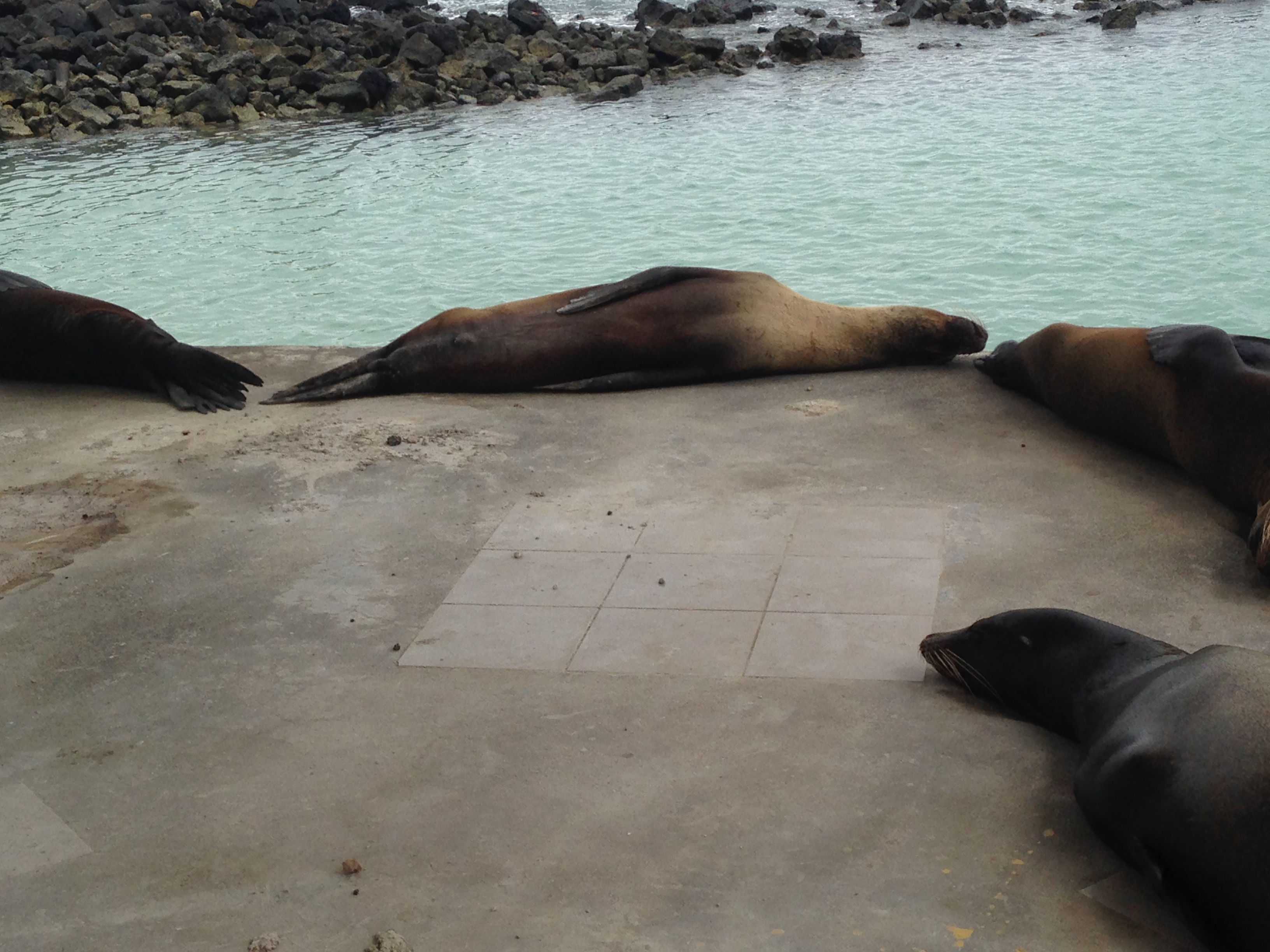
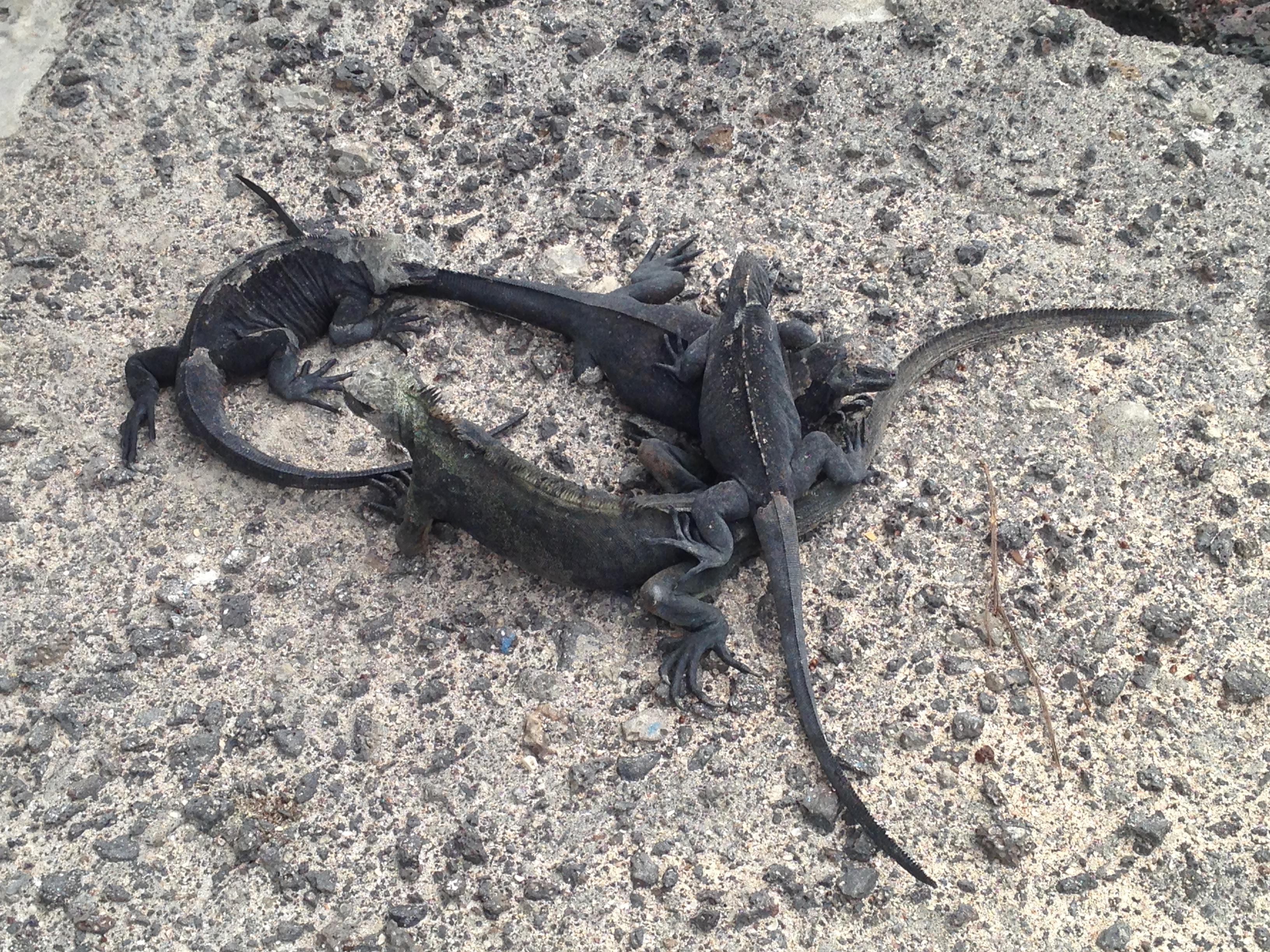
On the sea wall / pier next to Fisherman’s Wharf a group of sea lions seemed always to be lined up at the end of the pier making a semi-circle of sea lions. Not to be outdone, marine iguanas made their own “lizard” ring.
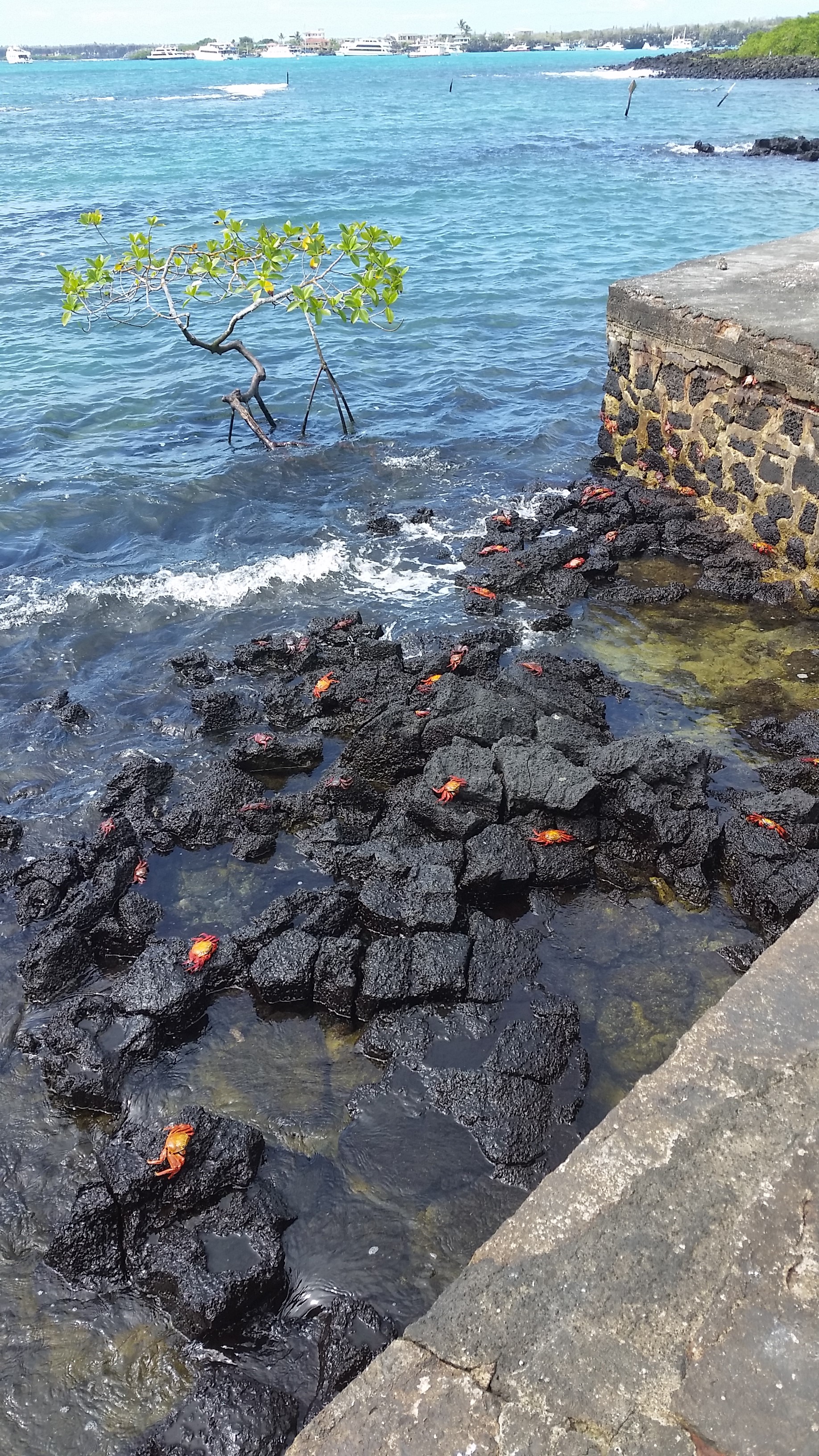
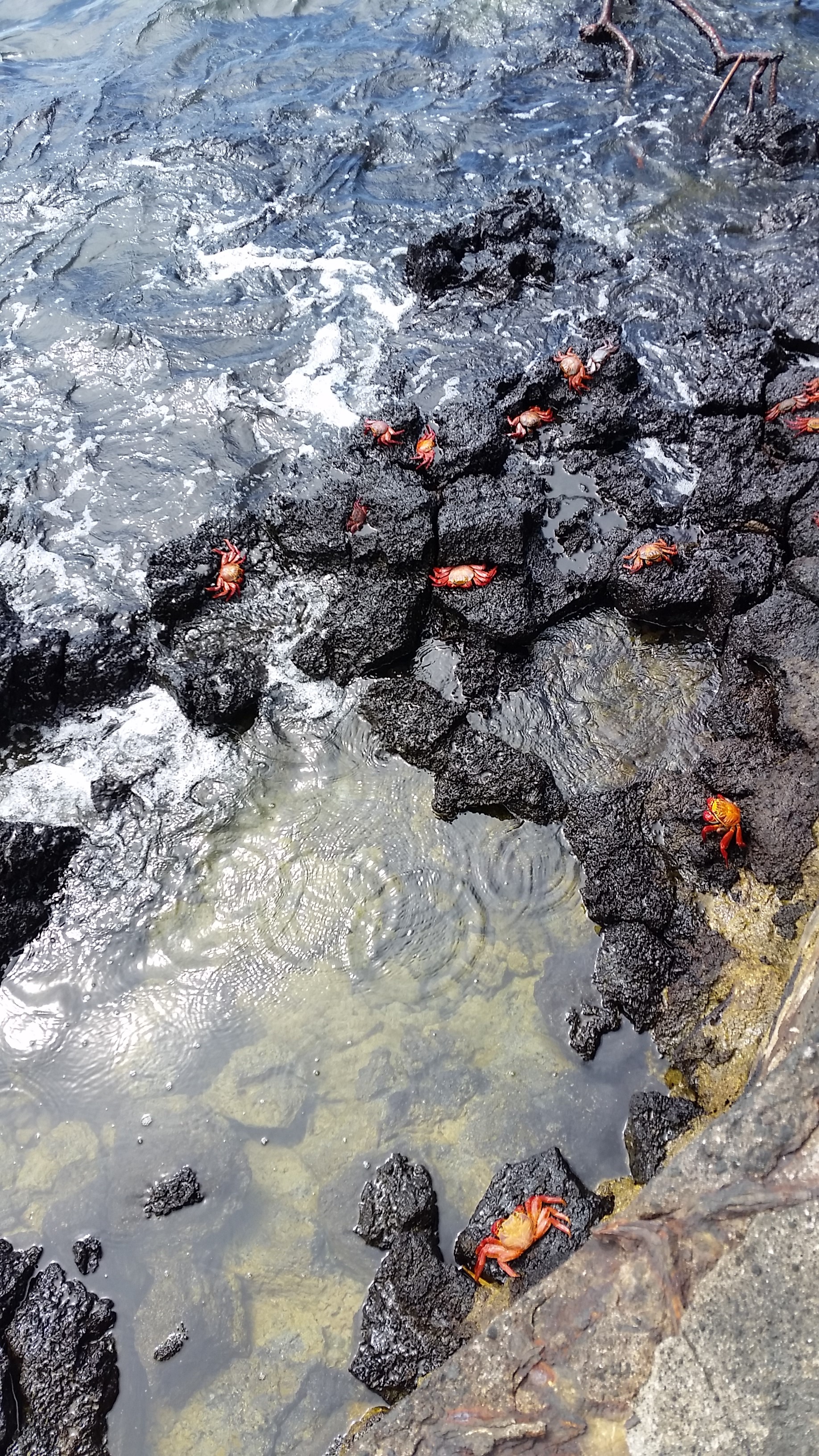
Everyplace along the sea wall or where there were any volcanic rock, there were hundreds of crabs either sunning themselves or trying to scurry away from some unknown threat or to a better sunning spot.

There were so many great memories with this trip, but the Galápagos’ Islands was definitely a highlight which we hope to experience again someday!
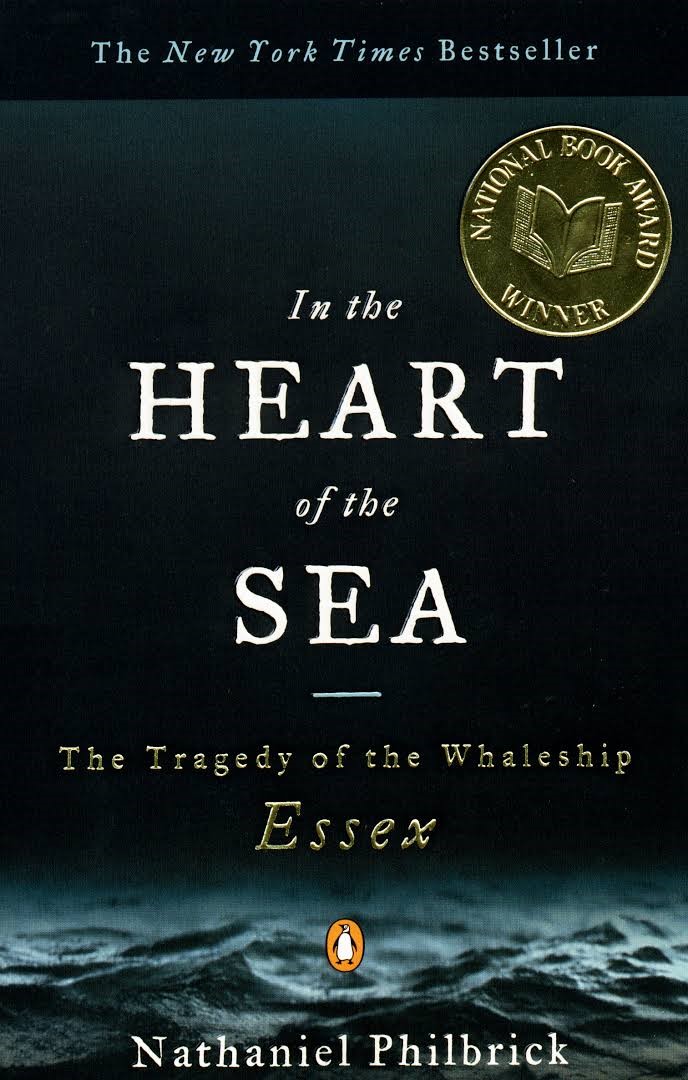
Great Read: With my Galápagos’ travels, I started and finished the book “In the Heart of the Sea” by Nathaniel Philbrick. The story is based on the tragic events of the Whale-ship Essex. (The Essex is the Whale-ship that was attacked or rammed by a whale and was the true life event that the fictional book “Moby-Dick” was written about – first published in October, 1851 by the name “The Whale”.)
This true life story really appalled me when I started reading it, primarily because of the cruel and inhuman method they had for killing whales, but, also because of how the young boys (14 – 15 -16 years old), and African Americans were abused and misused when the ship was out to sea. The more you get into the book, the better it gets. It really is very good, once you get past the butchering of the whales and abusive treatment of boys and black men.
But the really cool thing about this book is that I started it on one of our flights (likely to Cuenca) and by the time we were flying to the Galápagos’, I was reading about how the Essex stopped in Ecuador. The final mainland stop for the Essex was in Ecuador for stocking up on supplies and then off to the “uninhabited” Galápagos’ Islands to pick up Tortoises for additional food. The way the Tortoises were abused/starved to death was also sickening but really it is an interesting historical book about whaling and the beginning of the oil industry. I loved reading about historical events that started in the US and passed through Ecuador while we were visiting there.
At this point in time we were back in Quito, with plans to once again attend the Old Town street fair which is held every Sunday. Until next post, be well!
 5117 Melbourne St., Unit 4103